
Hey there! If you’re reading this, chances are you’re dealing with borewell water and wondering, “Which water purifier is actually going to work for this?” Trust me, you’re not alone. Borewell water can be tricky—it’s not always clear what’s in it, and let’s be honest, nobody wants to drink water that tastes like metal or looks like it belongs in a mud puddle. So, let’s talk about how to find the best water purifier for borewell water that’ll keep your family safe and your water tasting great.
First Things First: What’s in Your Borewell Water?
Here’s a breakdown of the common impurities you might find in borewell water:
- Dissolved Impurities: These include salts, minerals, and other substances that dissolve in water. While some minerals like calcium and magnesium are beneficial, excessive dissolved impurities can make water taste salty or leave behind white residue on utensils. Monitoring the total dissolved solids of drinking water (TDS) is a common way to measure these impurities and determine the right purification method.
- Heavy Metals: Due to natural geological processes and human activities, borewell water can contain heavy metals like iron, lead, arsenic, and fluoride. These metals, even in small amounts, can pose health risks over time.
- Bacteria and Viruses: Groundwater can sometimes be contaminated with harmful microorganisms, especially if it comes into contact with untreated sewage or agricultural runoff. These pathogens can lead to waterborne diseases if not properly treated.
- Sediments: Sand, silt, and other particulate matter can make borewell water appear cloudy or gritty. While these particles may not always be harmful, they can affect the clarity and taste of your water.
Before deciding on the best water purifier for borewell water, it’s essential to get your water tested. Knowing the specific contaminants in your water will help you choose the most effective purification system—whether it’s a water purifier without RO for low levels of dissolved impurities or a more advanced system for higher contamination. Understanding the sources of water and the TDS for drinking water will guide you toward making an informed decision for your family’s health and safety.
So, Which Water Purifier Technology is Best for Borewell Water?
Here’s the deal: borewell water is usually untreated, unlike municipal water, which often undergoes some level of treatment before reaching your home. To ensure your water is safe and clean, it’s generally recommended to opt for either nanofiltration (NF) or reverse osmosis (RO) based purifiers, as these technologies are highly effective at removing dissolved impurities—even if your TDS levels are low. While ultrafiltration (UF) or ultraviolet (UV) purifiers are often suggested for low TDS water, they cannot remove dissolved impurities, making them less suitable for untreated borewell water.
Let’s break it down based on your water’s specific needs:
1. Nanofiltration (NF) Technology (For TDS < 1500 or Low to Moderate Impurities)
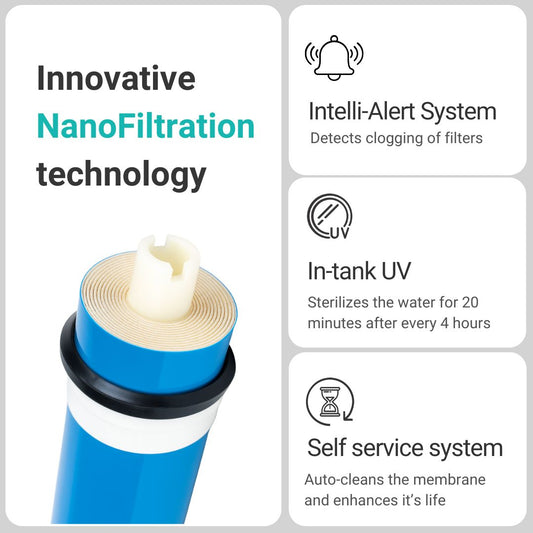
If your borewell water has a TDS level below 1500 ppm or contains low to moderate levels of dissolved impurities, a nanofiltration (NF) based water purifier is an excellent choice. NF technology strikes the perfect balance—it removes harmful contaminants like heavy metals, bacteria, and viruses while retaining essential minerals like calcium and magnesium. It’s also energy-efficient, eco-friendly, and doesn’t waste as much water as RO systems. If your water isn’t too hard but still needs thorough purification, NF is a game-changer.
2. Reverse Osmosis (RO) Technology (For TDS > 1500 or High Impurities)
For borewell water with TDS levels above 1500 ppm or high levels of dissolved impurities, an RO water purifier is your best bet. RO purifiers are particularly recommended for areas with untreated borewell water, where reducing excess minerals is necessary.
Why Nanofiltration is a Game-Changer for Borewell Water?
Nanofiltration (NF) is rapidly emerging as the best water purifier for borewell water, especially for water with TDS levels below 1500 ppm. This advanced technology offers a perfect blend of efficiency, sustainability, and health benefits, making it a top choice for households. Here’s why nanofiltration is revolutionizing water purification:
- 3x Less Water Wastage: One of the standout features of NF water purifiers is their eco-friendliness. While RO water purifiers waste 3.5-4 liters of water for every liter of purified water, nanofiltration systems waste only 500 ml to 2 liters for the same amount. This makes NF a far more sustainable choice, especially in areas where water conservation is critical.
- Retains Essential Minerals: Unlike RO-based purifiers, which strip away all minerals—good and bad—nanofiltration selectively removes harmful contaminants like heavy metals, bacteria, and viruses while retaining essential minerals such as calcium and magnesium. This ensures your drinking water maintains a healthier TDS level of 100-300 ppm, which is within the range recommended by the WHO for safe and nutritious water.
- Energy-Efficient: Nanofiltration systems consume significantly less electricity compared to RO purifiers. This makes them a cost-effective and environmentally friendly choice, especially for households looking to reduce their energy footprint.
- Low Maintenance Costs: NF-based water purifiers are not only efficient but also cost-effective in the long run. Since nanofiltration systems require less water to produce the same amount of purified water compared to RO, the filters are consumed at a slower rate. This means filters last longer, reducing the frequency of replacements and lowering overall maintenance costs.
If your borewell water has moderate TDS levels and you’re looking for a water purifier without RO, a nanofiltration-based water purifier is a smart and efficient solution. It’s ideal for removing dissolved impurities while ensuring your water is safe, healthy, and great-tasting.
How to Pick the Perfect Water Purifier: A Quick Checklist
Still feeling overwhelmed? Here’s a simple checklist to help you choose the best water purifier for borewell water:
- Test Your Water: Know your TDS levels and what contaminants you’re dealing with.
-
Match the Technology:
- TDS < 1500? Go for NF + UV.
- TDS > 1500? Choose RO + UV.
- Think About Maintenance: Check how often filters need to be replaced and how much it’ll cost.
- Storage & Other Features: Ensure the purifier meets your daily water needs and fits your budget.
- Brand Reputation: Go for a trusted brand with good customer support. Nobody wants to deal with a purifier that breaks down every other week!
PEORE is Here to Help!
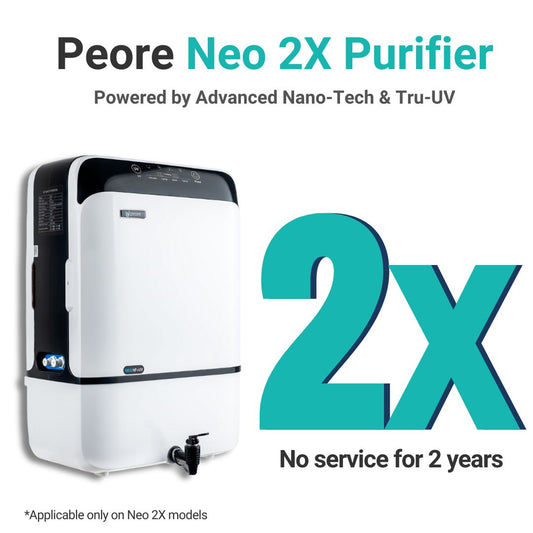
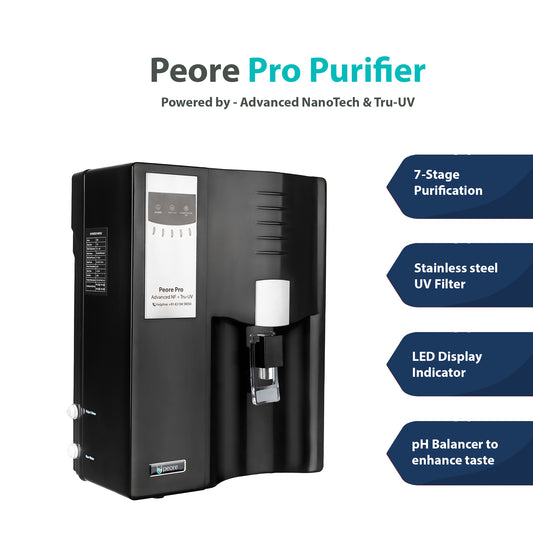
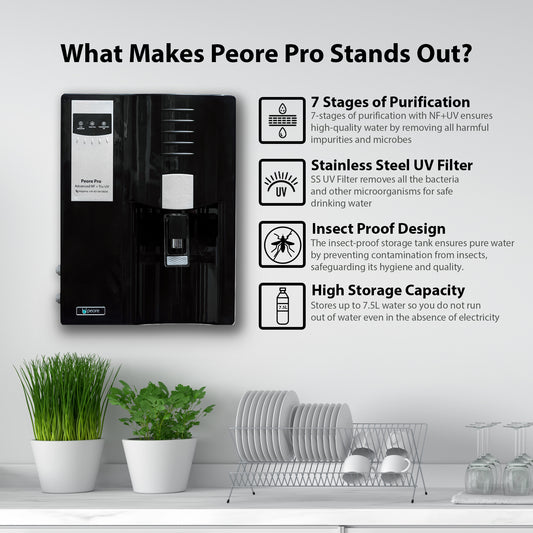
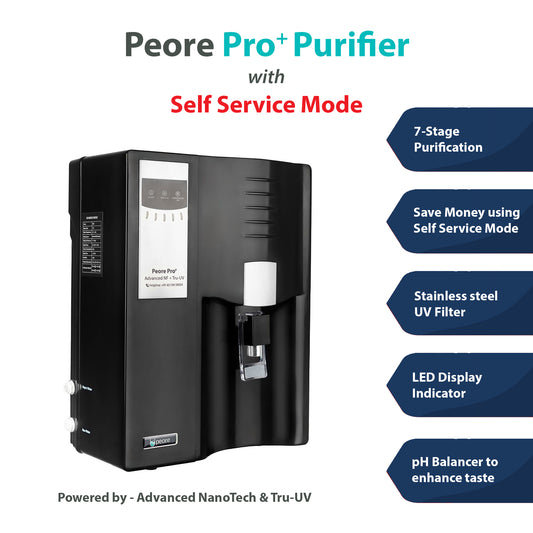
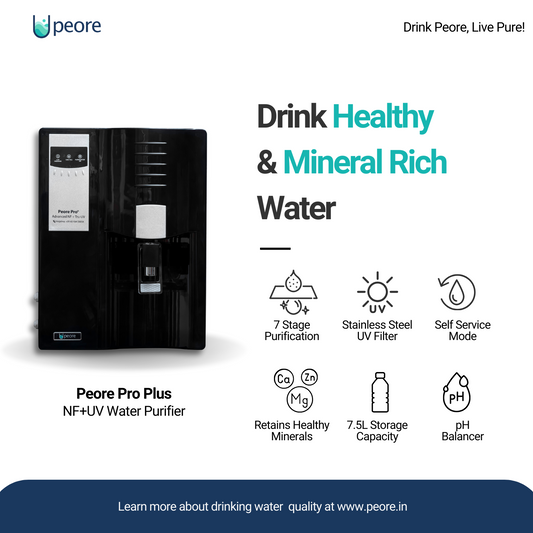
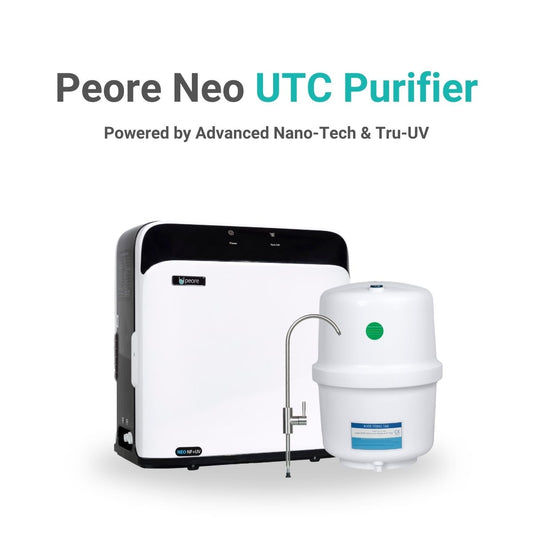
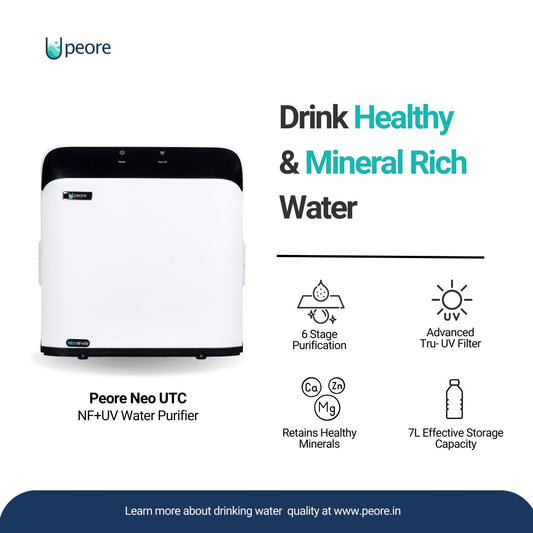
At PEORE, we understand that clean, safe water shouldn’t be complicated. Whether you’re dealing with high TDS levels, heavy metals, or simply want water that tastes great, we’ve got you covered. Our advanced nanofiltration-based purifiers are perfect for low to moderate TDS borewell water, while our RO + UV systems tackle the toughest contaminants, ensuring your water is safe and healthy.
We’re not just about selling water purifiers—we’re here to guide you every step of the way. From understanding your water quality to choosing the best water purifier for borewell water, our experts are always ready to help. After all, you’ve got better things to do than worry about your water.
Ready to make the switch?
- Explore our range of NF + UV water purifiers tailored to your needs.
- Contact us today for a free consultation or to get your water tested or call us at +91-8310459054 to talk to our water experts!
- Drop us a comment or reach out with any questions—we’re here to help!